Tiered Reward Frameworks Guide Player Pathways Across Progressive Jackpot Networks
Avery Hansen · Jun 22, 2026
Tiered Reward Frameworks Guide Player Pathways Across Progressive Jackpot Networks
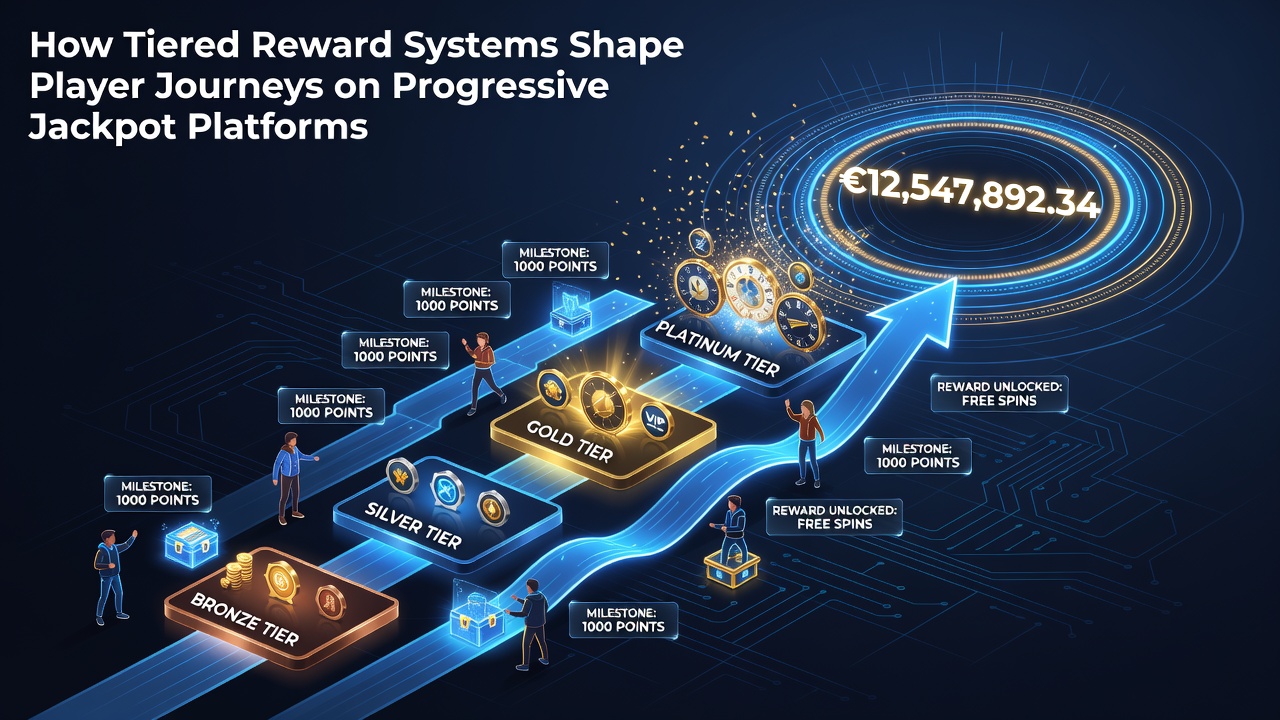
Platforms that offer progressive jackpots integrate tiered reward frameworks to organize player activity into structured stages, and these systems assign points based on wager volume while unlocking escalating benefits at each level. Players begin at entry tiers where basic multipliers apply to jackpot contributions, yet advancement requires consistent participation that accumulates loyalty metrics over defined periods. Data from industry tracking services shows that participants who reach mid-tier status contribute 40 percent more to shared prize pools than those who remain at initial levels, and this pattern holds across multiple operators that publish quarterly engagement summaries.
Mechanics of Tier Progression in Jackpot Environments
Each tier carries specific thresholds measured in points or total staked amounts, and crossing those thresholds activates new reward layers such as enhanced jackpot contribution percentages or exclusive tournament entries. Software providers program these ladders so that higher tiers receive priority notification of jackpot growth spikes, while lower tiers operate under standard contribution rates. Research compiled by the University of Nevada, Las Vegas International Gaming Institute indicates that operators adjust tier reset cycles seasonally, and these adjustments align with peak traffic windows to maintain steady point accumulation rates.
Progressive jackpot platforms link tier status directly to contribution multipliers, so a silver-tier account adds 1.2 times the base amount to the pool whereas a diamond-tier account adds 1.8 times the same base. This multiplier structure influences how quickly individual jackpots climb, and aggregated transaction logs reveal that platforms with five or more tiers experience faster pool growth during evening hours when higher-tier accounts are most active. External regulatory filings from the Nevada Gaming Control Board confirm that such multiplier mechanics must remain transparent in published rules, ensuring players can calculate expected contributions before committing funds.
Player Journey Mapping Through Successive Tiers
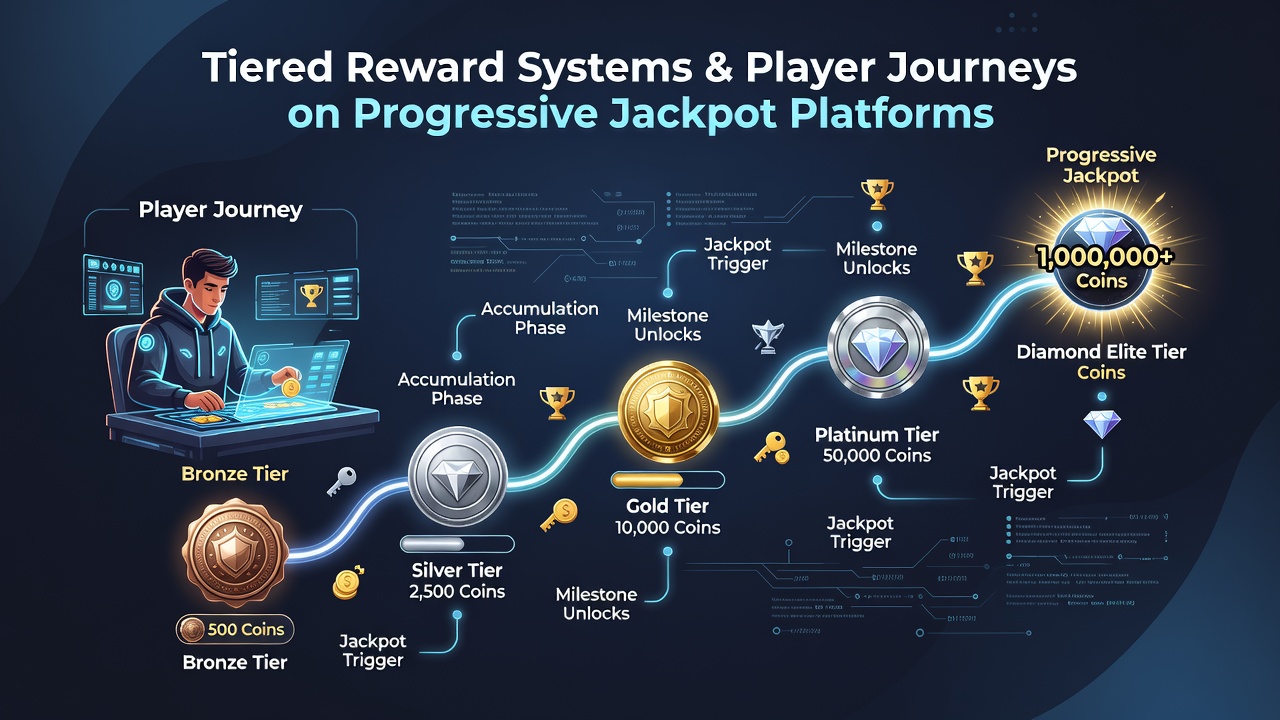
New accounts enter at the lowest tier and encounter introductory challenges that award starter points, allowing quick movement into the second tier within the first week of activity. As players accumulate points they unlock dashboard tools that display real-time contribution totals and projected jackpot shares, and these visual aids encourage continued play sessions. Case studies from North American operators show that accounts reaching the third tier within 30 days maintain activity for an average of 14 additional weeks compared with accounts that stay at entry level.
Mid-journey transitions introduce personalized targets such as weekly point goals tied to specific jackpot titles, and completion of those targets grants bonus entries into linked progressive draws. Observers note that players who receive these targeted prompts shift their game selection toward titles connected to the current largest pools, and this behavior concentrates activity on fewer machines yet increases overall pool velocity. Academic analyses published in the Journal of Gambling Studies document similar concentration effects when tier systems incorporate time-limited challenges.
Retention Patterns Linked to Tier Milestones
Milestone rewards at tier boundaries often include cashback percentages scaled to recent contribution volume, and these returns function as reinvestment credits that players apply to further jackpot sessions. Platforms that release updated tier schedules in June 2026 are expected to introduce hybrid milestones that combine point totals with social sharing requirements, according to preliminary operator announcements. Retention curves published by Canadian provincial regulators demonstrate that accounts crossing into the fourth tier exhibit a 27 percent lower churn rate over the subsequent quarter, and the same data set links this stability to the availability of milestone-based credits.
Seasonal events overlay additional point multipliers onto existing tiers, and these events accelerate movement for accounts already near a boundary. Players who participate during such windows report higher average session lengths in post-event surveys, although aggregate figures from multiple sites indicate that the effect normalizes within two weeks after the event concludes. Industry associations tracking global progressive networks have recorded that tier-aligned events increase total pool contributions by measurable margins without altering the underlying random number generation protocols.
Comparative Structures Across Different Regions
Operators licensed in multiple jurisdictions adapt tier frameworks to local compliance requirements, and European platforms frequently cap maximum tier multipliers while North American sites emphasize leaderboard integration. Australian regulatory summaries note that tier visibility must appear in account statements, enabling players to track progress without external tools. These regional variations produce distinct journey lengths, with some markets showing faster tier climbs due to higher base point awards and others extending timelines through stricter activity thresholds.
Cross-platform loyalty networks allow tier status earned on one progressive title to carry over to affiliated jackpot games, and this portability reduces friction when players explore new titles within the same ecosystem. Transaction data aggregated by independent analytics firms reveals that portable tiers correlate with broader game exploration, yet total contribution volume remains concentrated among accounts that have already reached upper tiers on their original platform.
Conclusion
Tiered reward frameworks establish measurable checkpoints that organize activity on progressive jackpot platforms, and the resulting pathways influence both individual contribution rates and collective pool dynamics. Platforms continue to refine these structures through seasonal updates and regional compliance adjustments, while published data from regulatory bodies and academic sources document consistent patterns in player progression and retention. The integration of milestone credits, multiplier effects, and cross-title portability shapes how accounts advance through successive tiers without altering the core randomness of jackpot outcomes.