Regulatory Oversight of Random Systems and Reward Accumulation in Mobile Gaming Apps
Lars Carter · Aug 15, 2026
Regulatory Oversight of Random Systems and Reward Accumulation in Mobile Gaming Apps
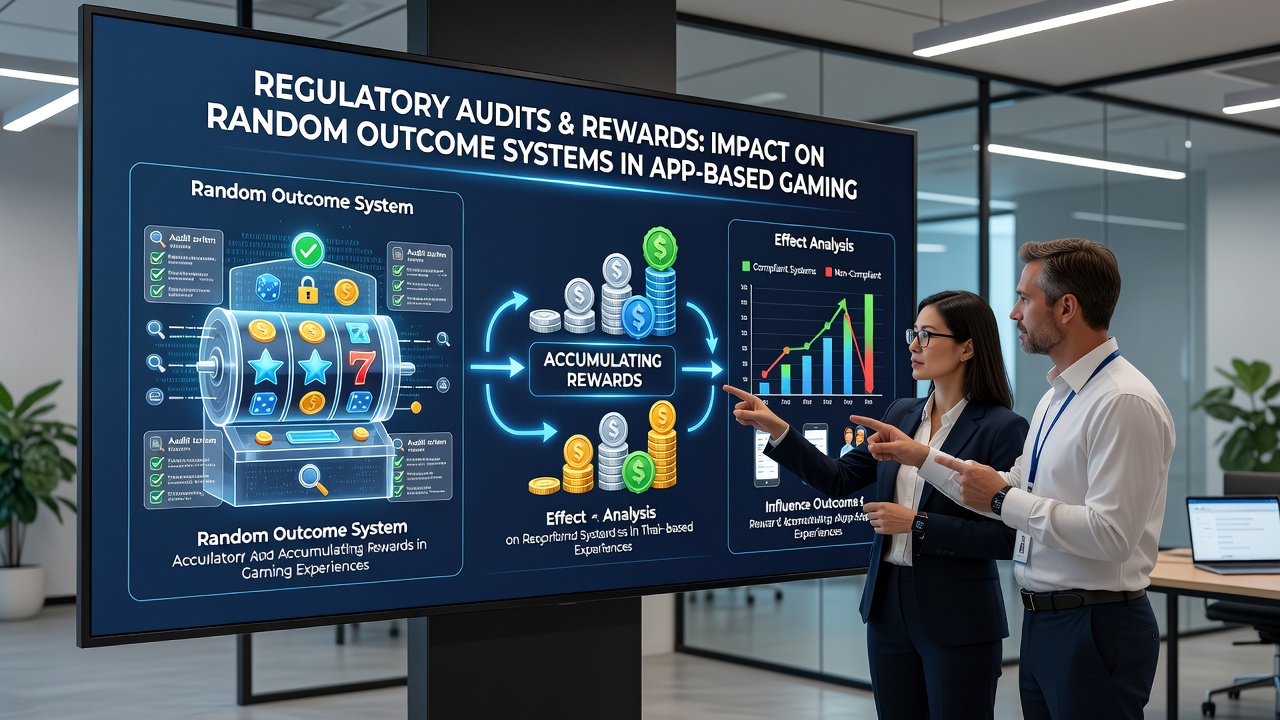
Regulatory audits examine random outcome systems in app-based gaming, and these reviews directly shape how rewards accumulate through bonuses, jackpots, and progression mechanics. Auditors test random number generators for statistical fairness using standardized test suites, while developers adjust reward algorithms to comply with certification requirements before release. Data from industry reports indicates that certified systems must demonstrate independence between game rounds, and this separation prevents reward stacking patterns that could otherwise trigger automated flags during ongoing operations.
Core Components of Random Outcome Systems
Random outcome systems rely on algorithms that generate unpredictable results for each spin or event, and regulators require periodic verification to confirm these outputs match expected probability distributions. Testing laboratories evaluate entropy sources, seed generation methods, and output sequences against predefined benchmarks, while app developers integrate these validated components into reward engines. Studies from academic institutions show that certified RNGs reduce variance manipulation risks, which in turn affects how cumulative reward pools build over multiple sessions because payout percentages remain fixed within approved ranges.
Audit Procedures and Compliance Standards
Auditors conduct both initial certifications and ongoing surveillance, and they review source code, hardware interfaces, and live data streams to ensure continued compliance. In regions such as Nevada and Ontario, authorities mandate quarterly submissions of RNG performance metrics, and non-conforming systems face suspension until corrections occur. Those who manage app-based platforms often discover that audit cycles influence reward release timing, since updates to accumulation logic require fresh approvals before players can access enhanced bonus tiers.
Geographic Variations in Regulatory Approaches
European frameworks emphasize consumer protection through mandatory return-to-player disclosures, whereas North American standards focus on technical integrity of the underlying random systems. The Nevada Gaming Control Board publishes detailed technical standards that outline acceptable RNG deviation limits, and these guidelines extend to mobile implementations where reward accumulation occurs across sessions. Canadian regulators apply similar technical reviews, and operators report that alignment with these standards streamlines cross-border app updates while maintaining consistent reward mechanics.
App developers integrate audit findings into reward design by adjusting multiplier frequencies and bonus trigger rates, and this integration ensures that cumulative rewards do not exceed approved mathematical models. Observers note that platforms undergoing regular audits experience fewer interruptions in reward distribution, because preemptive adjustments prevent system-wide recalibrations that could otherwise delay jackpot contributions.

Impact on Reward Accumulation Mechanics
Reward accumulation in mobile apps depends on verified random outcomes, and audits enforce boundaries around progressive pools and loyalty multipliers. When systems receive certification, developers gain clearance to activate layered reward structures that build across play sessions, yet any deviation detected in subsequent audits triggers immediate review of those accumulation pathways. Research indicates that certified environments produce more predictable long-term reward curves, and players encounter consistent progression rates because random sequences remain independent from reward modifiers.
August 2026 marks the scheduled rollout of updated technical standards in several jurisdictions, and these changes require re-certification of existing RNG modules used in reward calculations. Operators prepare by mapping current accumulation formulas against new entropy requirements, while testing labs expand their evaluation protocols to cover real-time reward adjustments in live app environments. The Alcohol and Gaming Commission of Ontario has outlined preliminary guidance on these updates, emphasizing continuous monitoring of reward system integrity alongside traditional RNG tests.
Operational Adjustments by App Developers
Developers respond to audit outcomes by refining reward delivery schedules and introducing safeguards that maintain compliance during high-volume play periods. These modifications include dynamic adjustment of bonus contribution rates based on verified random distributions, and such changes ensure that accumulated rewards reflect genuine probability rather than engineered sequences. Case examples from certified platforms demonstrate that adherence to audit recommendations correlates with stable player retention metrics, since transparent reward systems reduce disputes over outcome legitimacy.
Conclusion
Regulatory audits of random outcome systems establish the foundation for reliable reward accumulation in app-based gaming, and ongoing compliance activities continue to shape how these mechanisms evolve. Data from multiple oversight bodies confirms that certified systems deliver consistent statistical performance, which directly supports structured reward progression across mobile platforms. As standards advance in 2026, developers and regulators maintain focus on technical verification processes that sustain both fairness and operational continuity in reward systems.