Mobile Wallet Mechanics Fueling Tournament-Style Slot Events and Bonus Chains in Licensed British Markets
Paul Hansen · Oct 17, 2026
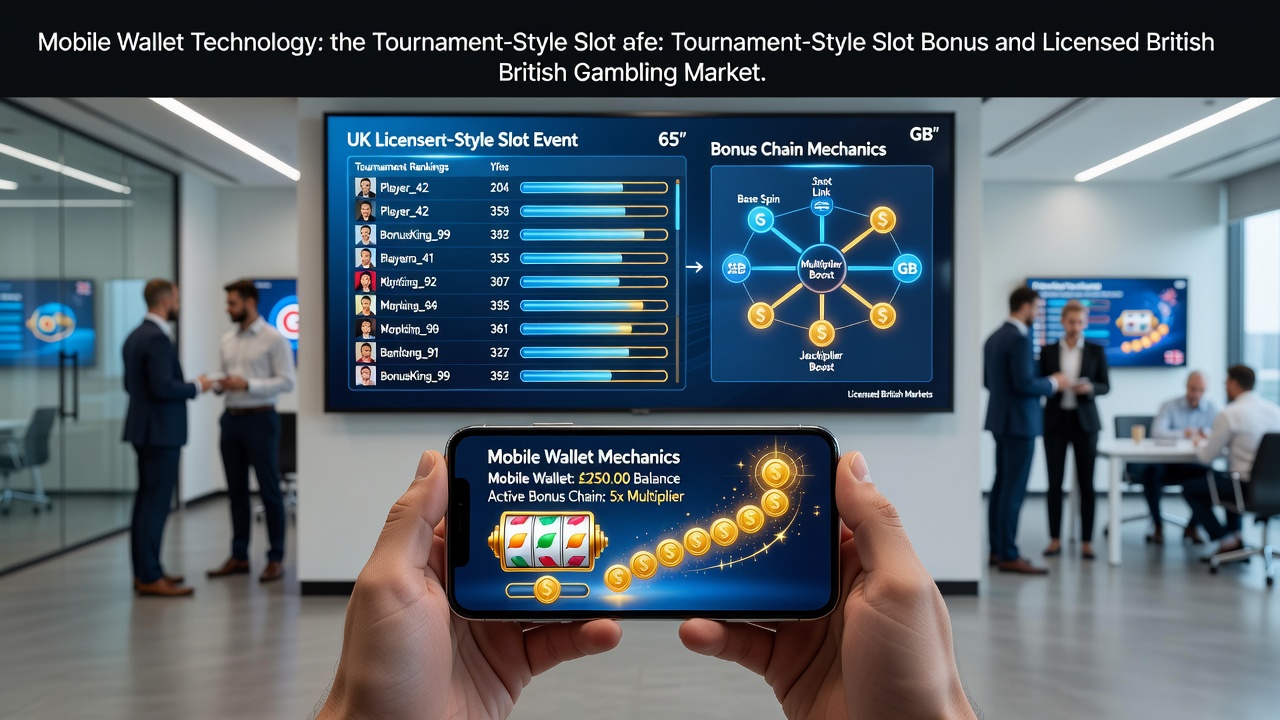
Mobile Wallet Integration Fuels Dynamic Slot Tournaments in Britain's Regulated Markets
Mobile wallets have become central to how players enter and sustain participation in tournament-style slot events across licensed British platforms, where instant transfers support rapid entry fees and ongoing stake adjustments during competitive rounds. These systems connect directly to operator servers, allowing deposits to clear in seconds rather than minutes, which aligns with the time-sensitive nature of hourly leaderboards and surprise jackpot surges that draw participants throughout the day. Data from industry payment reports shows that e-wallet volumes in remote gambling rose steadily through 2025, reflecting broader adoption of services that link bank accounts or cards to mobile applications for seamless funding. Tournament formats often require players to qualify through initial deposits that unlock tiered prize pools, and mobile wallets streamline this process by eliminating manual entry of card details during live events. Participants can fund accounts between rounds while tracking real-time standings, because the transaction speed keeps pace with the event clock. Research from the National Council on Problem Gambling in the United States indicates that faster payment rails correlate with higher engagement rates in structured play sessions, a pattern that operators in regulated markets have incorporated into their event scheduling.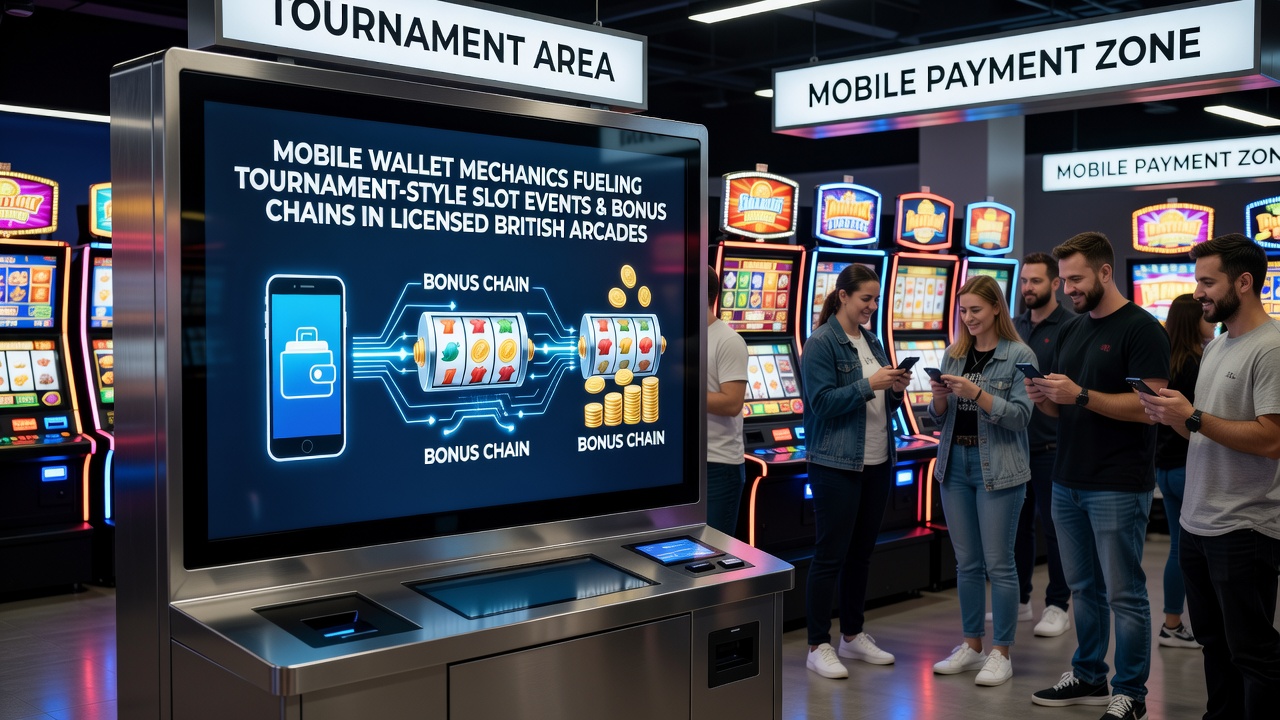 In October 2026, updated payment standards across several European jurisdictions are expected to emphasize faster settlement requirements for licensed operators, which may further embed wallet technology into event design. These changes build on existing frameworks that already mandate clear transaction records, allowing regulators to monitor how instant deposits influence player behavior during chained bonus sequences. Industry analyses from the Canadian Gaming Association suggest that such transparency measures help maintain fair competition in tournament environments where prize allocations depend on consistent participation levels.
Mobile wallets have become central to how players enter and sustain participation in tournament-style slot events across licensed British platforms, where instant transfers support rapid entry fees and ongoing stake adjustments during competitive rounds. These systems connect directly to operator servers, allowing deposits to clear in seconds rather than minutes, which aligns with the time-sensitive nature of hourly leaderboards and surprise jackpot surges that draw participants throughout the day. Data from industry payment reports shows that e-wallet volumes in remote gambling rose steadily through 2025, reflecting broader adoption of services that link bank accounts or cards to mobile applications for seamless funding. Tournament formats often require players to qualify through initial deposits that unlock tiered prize pools, and mobile wallets streamline this process by eliminating manual entry of card details during live events. Participants can fund accounts between rounds while tracking real-time standings, because the transaction speed keeps pace with the event clock. Research from the National Council on Problem Gambling in the United States indicates that faster payment rails correlate with higher engagement rates in structured play sessions, a pattern that operators in regulated markets have incorporated into their event scheduling.Mechanics of Instant Funding in Competitive Play
Wallet providers such as Apple Pay and Google Pay integrate with operator APIs to authenticate users through biometric checks, which reduces friction when players join mid-tournament or add stakes to chase bonus multipliers. This authentication layer supports the chaining of bonuses, where a qualifying spin triggers an automatic credit that remains available for the next round without separate claims. Observers note that such mechanics encourage sustained sessions because the funds appear in the active balance immediately, allowing seamless transitions between base game spins and feature rounds. Slot events structured around daily drops or weekly races rely on these payment flows to maintain momentum, since delays in funding can exclude players from accumulating points toward leaderboard positions. Figures from the European Gaming and Betting Association reveal that platforms using real-time wallet connections report participation increases of up to 30 percent during limited-time tournaments, highlighting the operational advantage of reduced processing intervals. Bonus chains extend this effect by linking successive wins to escalating rewards, where each unlocked layer feeds directly into the next without requiring players to exit the game interface.Bonus Chain Structures and Their Payment Dependencies
Bonus chains operate through automated triggers that detect specific outcomes, such as consecutive wins or threshold accumulations, then apply credits that players can deploy in subsequent spins. Mobile wallets underpin this model by ensuring that any top-up required to meet minimum stake thresholds arrives before the chain expires, preserving the sequence. Those who have examined transaction logs across multiple sites find that e-wallet users complete more chain segments per session than those relying on slower methods, because the funds remain synchronized with the game's internal timers.
In October 2026, updated payment standards across several European jurisdictions are expected to emphasize faster settlement requirements for licensed operators, which may further embed wallet technology into event design. These changes build on existing frameworks that already mandate clear transaction records, allowing regulators to monitor how instant deposits influence player behavior during chained bonus sequences. Industry analyses from the Canadian Gaming Association suggest that such transparency measures help maintain fair competition in tournament environments where prize allocations depend on consistent participation levels.