Mapping the Pathways of Promotional Credits in Online Gaming Transaction Networks
Avery Hansen · Jul 13, 2026

Mapping the Pathways of Promotional Credits in Online Gaming Transaction Networks
Promotional credits move through online gaming ecosystems via layered transaction channels that connect player accounts, payment processors, and game servers in real time, and observers note how these digital tokens originate from marketing campaigns before they integrate with deposits made through credit cards, e-wallets, or cryptocurrency gateways. Data from the American Gaming Association shows that operators allocate billions in such credits annually, with tracking systems recording every conversion from bonus funds into playable balances across multiple jurisdictions.
Origins and Initial Allocation of Promotional Credits
Operators issue promotional credits through welcome packages, loyalty programs, and targeted campaigns that feed directly into user wallets, while studies from research institutions like the University of Nevada's gaming laboratory reveal patterns where these credits activate only after players complete specified deposit thresholds. The allocation process begins when marketing systems generate unique identifiers for each credit batch, then route them through internal ledgers that prevent premature cashouts until wagering requirements clear.
Those who've examined platform architectures find that initial credits often carry metadata tags that distinguish them from real-money deposits, allowing automated compliance checks to monitor their movement before they reach game engines.
Deposit Channels and Credit Integration
Players fund accounts through various gateways where promotional credits combine with actual deposits, and figures from Canadian provincial regulators indicate that e-wallet transactions now account for over 40 percent of these combined inflows in North American markets. Credit card processors handle the largest share of initial funding, yet the credits themselves remain segregated in sub-accounts that game servers reference during play sessions.
Here's where it gets interesting: cryptocurrency channels introduce additional tracing layers because blockchain ledgers record every transfer timestamp, which auditors cross-reference with operator databases to verify that promotional balances haven't bypassed standard verification steps. Mobile payment integrations further complicate the flow since they often bundle credits with in-app purchases that trigger immediate gameplay credits.
In-Game Transaction Flows and Conversion Mechanics
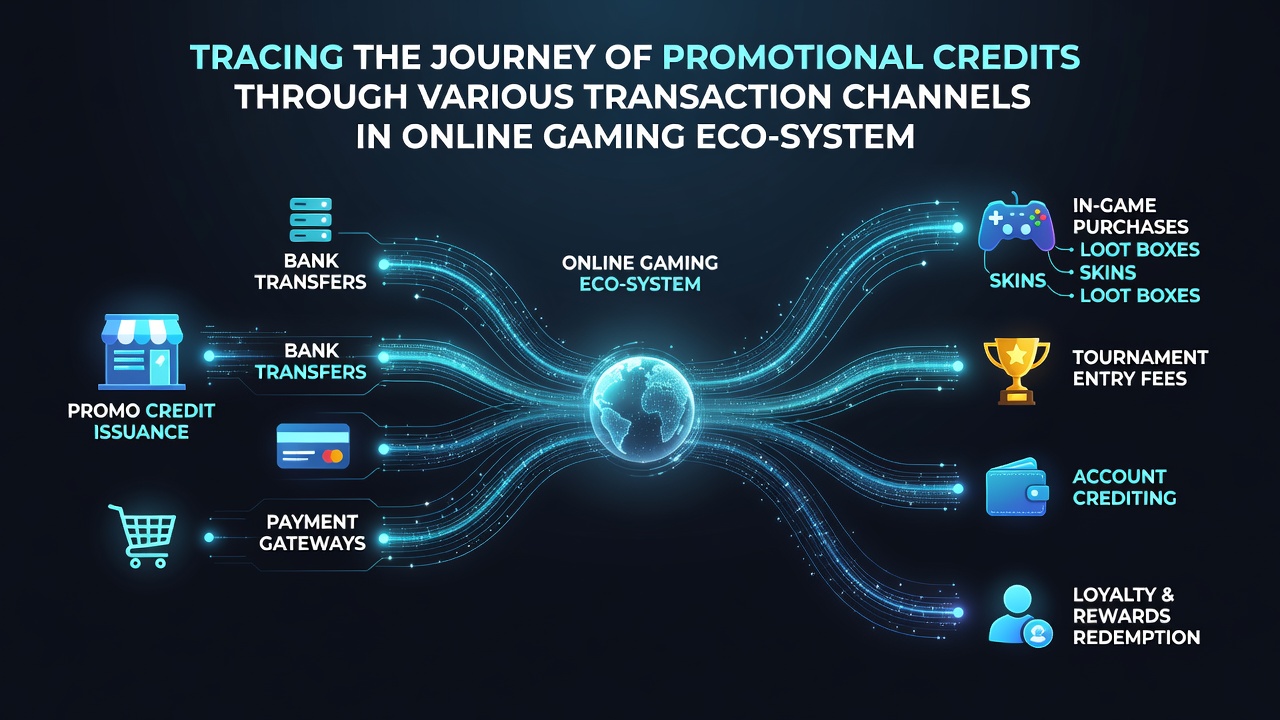
Once inside active sessions, promotional credits convert into bets across slots, table games, and live dealer environments, while research published in the Journal of Gambling Studies documents how these funds cycle through win multipliers before returning to player balances as either withdrawable amounts or locked winnings. Game servers log each spin or hand in sequence, creating audit trails that operators later reconcile against original credit sources.
Players often discover that credits earned from one channel, such as a deposit match, behave differently from those awarded through tournament entries when they attempt to move them between game categories. Multi-game ecosystems add further complexity because promotional balances must transfer through intermediary ledgers that apply conversion rates based on the target game's volatility settings.
Withdrawal Pathways and Reconciliation Processes
Withdrawal requests trigger final reconciliation steps where systems verify that promotional credits have met all attached conditions before releasing funds to external accounts, and reports from the Australian Communications and Media Authority highlight increasing scrutiny on cross-border transfers that involve these credits. Bank transfers and e-wallet payouts serve as primary exit channels, yet processing times vary depending on whether residual promotional balances remain in the account.
Turns out the most efficient platforms use unified APIs that flag any lingering credits during payout authorization, preventing partial releases that could violate regional rules. Cryptocurrency withdrawals add an extra verification step since public ledgers must align with internal records before operators approve the outgoing transaction.
Regulatory Milestones Around July 2026
Upcoming adjustments scheduled for July 2026 will require enhanced tracking protocols for promotional credits in several markets outside the UK, and industry associations in Europe have already begun testing new reporting formats that capture credit movements at the individual transaction level. These changes aim to standardize data exchange between operators and oversight bodies, particularly for credits that cross multiple payment rails during their lifecycle.
One study revealed that platforms adopting early compliance upgrades experienced smoother transitions when handling mixed credit and cash balances during high-volume periods.
Conclusion
The journey of promotional credits through online gaming transaction channels reflects a complex interplay of technology, regulation, and player behavior that continues to evolve with each new payment innovation. Observers continue monitoring how these systems adapt to upcoming deadlines and shifting market demands across global regions.