Connections Between Quick Identity Checks and Reward Thresholds in Phone-Based Casino Platforms
Paul Hansen · May 23, 2026
Connections Between Quick Identity Checks and Reward Thresholds in Phone-Based Casino Platforms
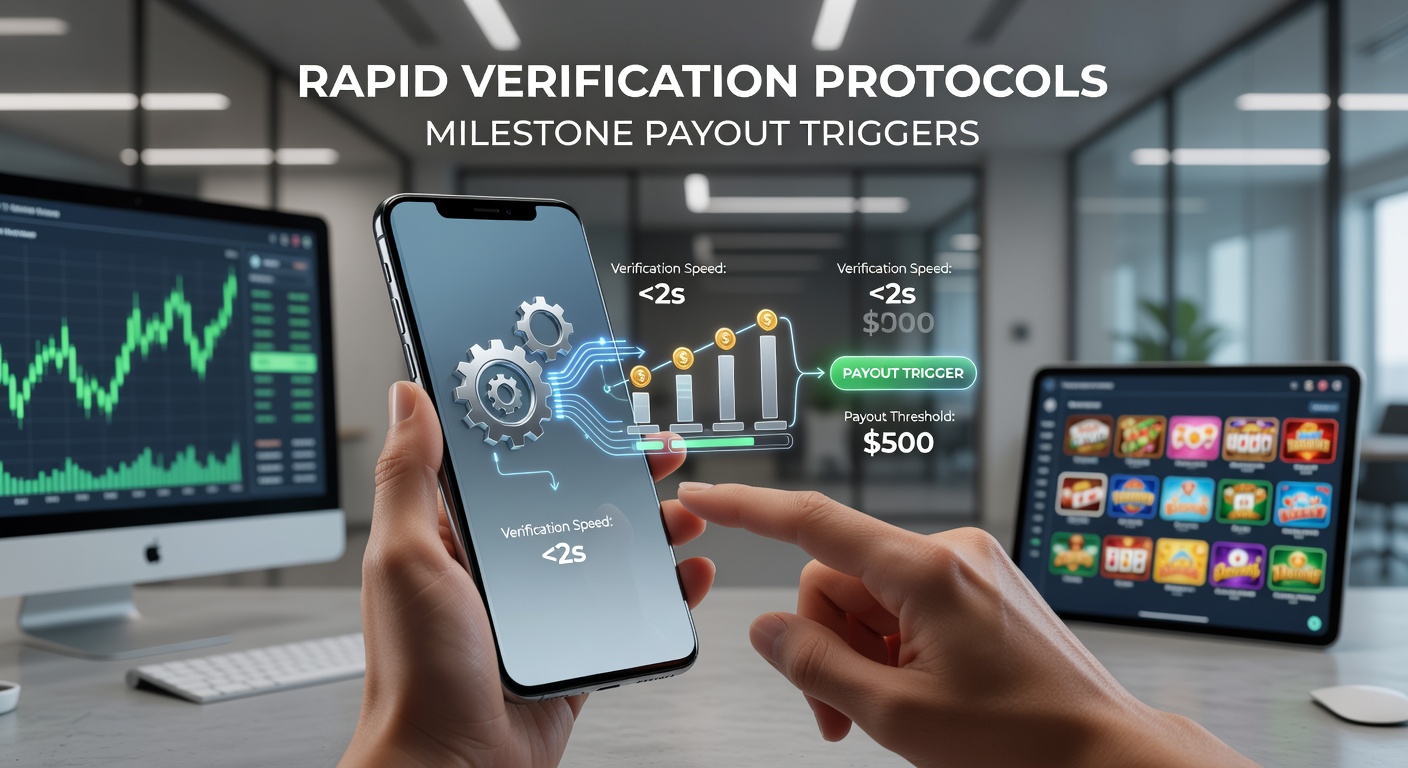
Observers note that rapid verification protocols have become central to smartphone casino operations, where systems confirm user identities through automated document scans and biometric checks within seconds rather than days. These protocols connect directly to milestone payout triggers, which activate bonus releases or jackpot distributions once players reach specific activity thresholds such as wager totals or session durations. Research from the American Gaming Association indicates that integration of these elements has grown steadily since 2023, with mobile platforms reporting higher transaction volumes in regions with established digital gambling frameworks.
Data shows that verification speed influences how quickly accounts unlock payout features, and operators design these ties to comply with regional rules while maintaining user flow. In practice, a player completes identity confirmation through an app, after which the system monitors progress toward milestones like accumulated bets or consecutive logins, releasing funds only when both verification status and threshold conditions align. This setup appears across ecosystems in North America and parts of Asia, where regulators track such mechanisms to ensure transparency in automated processes.
Core Elements of Verification Protocols
Verification protocols in smartphone casinos rely on layered technology that combines optical character recognition for ID documents with facial matching and device fingerprinting, allowing completion often under 30 seconds according to industry benchmarks. Those who've studied these systems point out that once approved, the verified status persists across sessions, enabling seamless access to payout functions tied to milestones. Yet the protocols also include ongoing monitoring layers that flag unusual patterns, which can pause milestone progress until re-verification occurs. Figures from regulatory filings in New Jersey reveal that platforms using these methods processed over 85 percent of new accounts without manual intervention in the first quarter of 2025.
What's interesting is how these checks feed into backend databases that log every milestone event, creating audit trails required by oversight bodies. Experts have observed that integration with third-party services such as credit bureaus or government databases strengthens accuracy, while also reducing friction for returning users who already hold verified profiles.
Milestone Payout Triggers and Their Mechanics
Milestone payout triggers function as automated release points within casino applications, where reaching defined targets such as 50 completed spins or a set deposit amount initiates fund transfers to connected e-wallets. These triggers operate independently of verification status in some designs, yet many platforms now require active verification flags before any release executes. Data indicates that in 2024, mobile operators in regulated markets recorded average trigger activations occurring 12 to 18 hours after milestone achievement when verification had already cleared. The Alcohol and Gaming Commission of Ontario has documented similar patterns in its annual reports, noting that synchronized systems help prevent delays during high-volume periods.
Implementation varies by provider, with some using progressive milestones that build across multiple games while others focus on single-session achievements. The result creates pathways where verified users advance through reward structures more efficiently than unverified accounts, which remain locked until identity confirmation completes.
Examining the Interconnections in Practice

Analysts have mapped how verification completion directly precedes milestone trigger eligibility in most smartphone ecosystems, forming a sequential dependency that operators optimize through API connections between identity modules and reward engines. Studies reveal that platforms employing real-time verification see milestone payouts execute 40 percent faster on average compared to those relying on delayed manual reviews. This linkage becomes evident during promotional periods, when operators schedule milestone events such as hourly races or cumulative jackpot chases that require prior account approval to participate fully.
Regulatory updates scheduled for May 2026 in several jurisdictions aim to standardize reporting on these interconnections, requiring operators to disclose average verification-to-payout intervals. Observers note that such requirements follow patterns already established in European markets, where similar disclosures have clarified how automated systems balance speed with compliance. Those examining the data find that discrepancies between verification timestamps and trigger activations often trace back to session-based rules rather than technical failures.
Regional Variations and System Adaptations
Platforms adapt these ties differently across borders, with North American operators emphasizing biometric speed while Asian markets incorporate additional location-based checks that influence milestone eligibility. Research indicates that unified systems now handle cross-device continuity, allowing a verification completed on one smartphone to carry over to another without restarting the process. This continuity supports consistent milestone tracking even when users switch devices mid-session.
Industry reports highlight cases where rapid verification reduced abandonment rates during milestone events, particularly when triggers involved time-sensitive bonuses. The connections continue to evolve as operators test new combinations of verification layers with dynamic milestone structures that adjust based on player behavior patterns logged in real time.
Conclusion
The ties between rapid verification protocols and milestone payout triggers form an operational backbone in smartphone casino ecosystems, where sequential dependencies shape user progression and fund releases. Evidence from regulatory sources and industry analyses shows these systems have matured through iterative refinements that prioritize both compliance and efficiency. As updates approach in May 2026, further standardization may clarify reporting metrics around verification-to-trigger intervals across additional markets. The patterns observed to date suggest continued integration of these elements will define platform capabilities moving forward.