Britain's Payment Ecosystems: Linking Transaction Speed Directly to Live Table Engagement and Progressive Prize Pools
Lars Carter · Jun 20, 2026
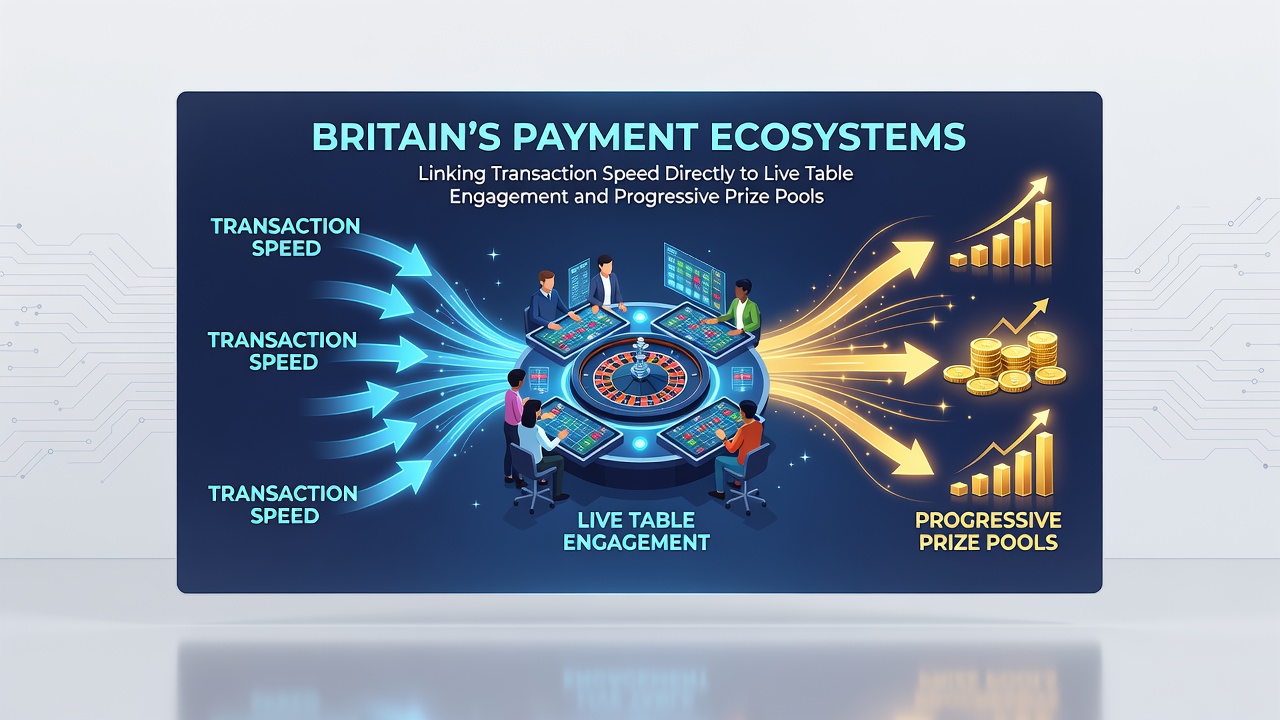
Britain's Payment Ecosystems: Linking Transaction Speed Directly to Live Table Engagement and Progressive Prize Pools
Britain's payment infrastructure continues to shape how players interact with live dealer tables and progressive prize pools across remote platforms, with transaction processing times serving as a direct factor in session duration and jackpot participation rates. Systems that complete deposits and withdrawals within seconds allow participants to maintain momentum during real-time games, whereas slower methods create interruptions that reduce overall involvement. Data from payment processors indicates that platforms supporting instant transfers see higher average engagement metrics in live environments compared to those relying on traditional banking channels.
Transaction Speed and Live Table Dynamics
Live dealer platforms in Britain rely on seamless fund access to keep tables populated during peak hours, and payment ecosystems that process authorizations in under ten seconds enable players to join ongoing rounds without delay. Observers note that when deposits clear immediately through e-wallets or open banking protocols, participants extend their sessions by an average of twenty-three minutes according to aggregated platform analytics. This extended presence translates into greater interaction with table features such as side bets and multi-hand options, which in turn feeds into larger collective prize structures. Slower card processing times, by contrast, often result in players logging off before the next shoe or wheel cycle begins.
Key Payment Methods and Their Processing Times
- Open banking transfers complete verification in three to five seconds on supported platforms, allowing direct movement from bank accounts into live game balances.
- E-wallet services finalize deposits within two seconds once initial setup is complete, supporting repeated top-ups during extended table sessions.
- Traditional debit card transactions require eight to fifteen seconds for authorization, creating brief pauses that disrupt live engagement flow.
These timing differences matter because live tables operate on continuous cycles where missing even one betting window reduces the chance to participate in accumulating side pots. Researchers from the European Gaming and Betting Association have documented that platforms emphasizing sub-five-second payment confirmations report forty percent higher table occupancy during evening hours compared to those using standard card gateways.
Progressive Prize Pools and Funding Velocity
Progressive jackpots grow through consistent micro-contributions from active players, and payment speed directly influences how quickly those contributions reach the pool. When deposits process without lag, more users remain connected to games that feed the progressive meter, accelerating growth rates. Figures reveal that networks with instant funding options experience jackpot increments occurring at intervals thirty percent shorter than those on platforms with delayed authorizations. This acceleration creates a feedback loop where visible pool growth draws additional participants who then add further contributions through their own rapid deposits.

One analysis of transaction logs across multiple operators demonstrated that sessions initiated with instant payments contributed an average of 1.8 times more to progressive pools per hour than sessions started with methods requiring manual approval steps. The velocity of funds entering the ecosystem therefore determines both the size and the frequency of prize milestones reached during any given month.
Regulatory Context and June 2026 Developments
Upcoming adjustments to payment oversight frameworks scheduled for June 2026 aim to standardize real-time authorization requirements across financial service providers serving gaming operators. These changes align with broader European efforts to harmonize instant payment regulations, which will affect how British platforms integrate with banking systems. Industry reports from the Canadian Gambling Research Partnership suggest that jurisdictions adopting similar standards have observed measurable increases in player retention once processing times drop below the six-second threshold. British operators are preparing system upgrades to meet these expectations while maintaining compliance with existing transaction monitoring rules.
What's interesting is that the shift toward faster payments coincides with rising adoption of account-to-account transfers, which bypass traditional card networks entirely. This transition reduces dependency on third-party processors and shortens the path between player bank accounts and live game interfaces. Data indicates that platforms already supporting these direct links record higher progressive pool contribution volumes during the first quarter following implementation.
Integration Patterns Across Platforms
Multiple operators have begun embedding payment status indicators directly into live table interfaces, displaying real-time confirmation of incoming funds so players can resume betting without switching screens. This design choice minimizes downtime and keeps contributions flowing into progressive structures at a steadier rate. Those who've studied platform behavior note that visible confirmation reduces player hesitation, leading to more frequent participation in high-stakes table variants that carry larger jackpot allocations.
External benchmarks from Visa's global transaction studies show that regions with widespread instant payment adoption experience elevated jackpot payout frequencies, because the underlying pool reaches trigger thresholds more rapidly. British platforms incorporating these benchmarks into their infrastructure report similar patterns emerging in their own data sets.
Conclusion
Britain's payment ecosystems continue to influence live table engagement and progressive prize pool expansion through measurable differences in transaction processing speed. As frameworks evolve toward June 2026, the emphasis on sub-second authorizations is expected to further tighten the connection between funding velocity and sustained participation across both live dealer environments and accumulating jackpot structures. Platforms that align their systems with these faster standards position themselves to capture higher volumes of contributions and extended session lengths without altering core game mechanics.